Case Study: Super Run Club — Design Localism in Motion
Super Run Club serves as an active site of applied research, testing how a designer can function as a "community builder" and "cultural steward" within their own neighborhood. By founding this "super local" initiative in Pontiac, MI – an underserved community where I live – I have moved beyond traditional design deliverables to create a brand that acts as a social and economic driver for the community.
Pontiac is located in Oakland County, Michigan, one of the wealthiest counties in the United States, yet it is consistently ranked as its most economically challenged community. For example, according to recent U.S. Census data and regional economic reports, Pontiac often holds the lowest median household income and the highest poverty rate in the county. According to recent U.S. Census data, Pontiac’s median household income (approx. $44,329) is less than half of the Oakland County average ($97,760), and its poverty rate of 24.4% is more than triple the county rate of 7.7%.
My community is also designated as a Medically Underserved Area (MUA), and the health disparities compared to the rest of Oakland County are stark. While Oakland County is one of the healthiest in Michigan, Pontiac faces a 36.7% physical inactivity rate—double the county average of 18.4%. Furthermore, the obesity prevalence in Pontiac is estimated at 56.1%, significantly higher than the county-wide rate of 24.5% (MDHHS Assessment).
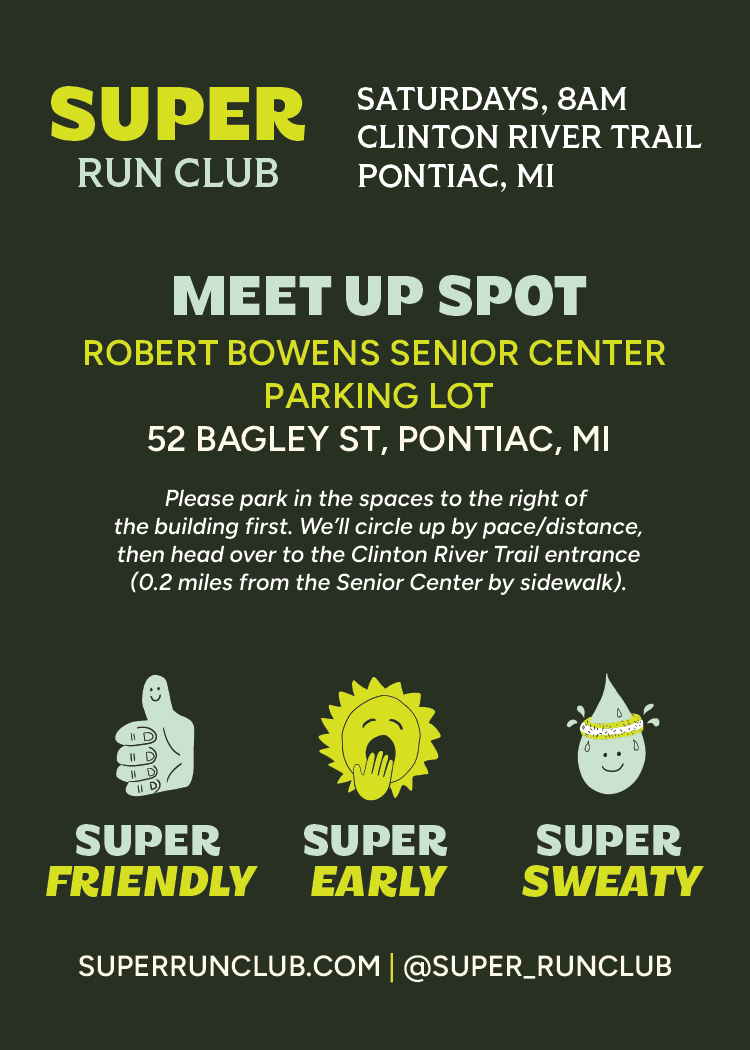
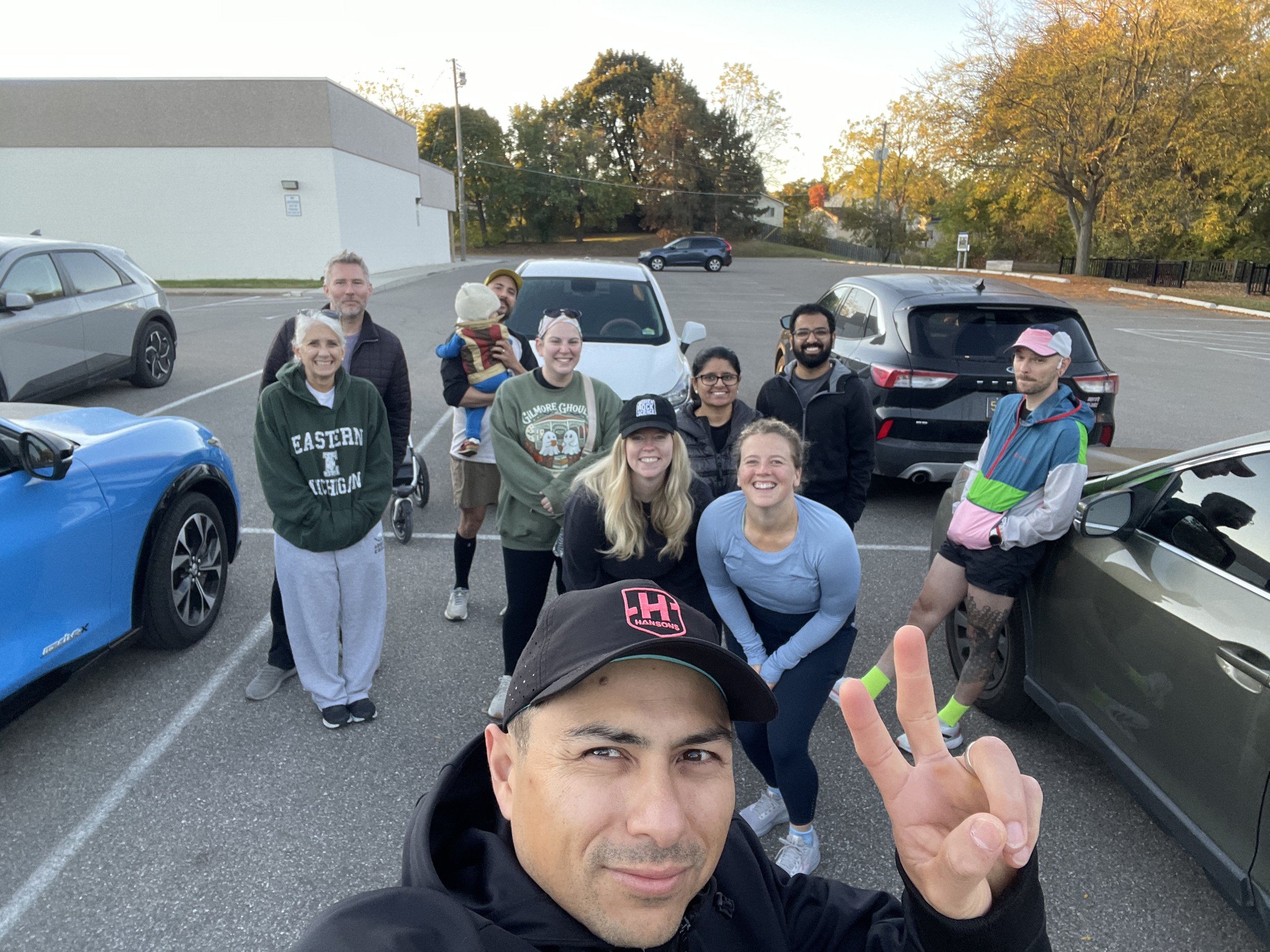
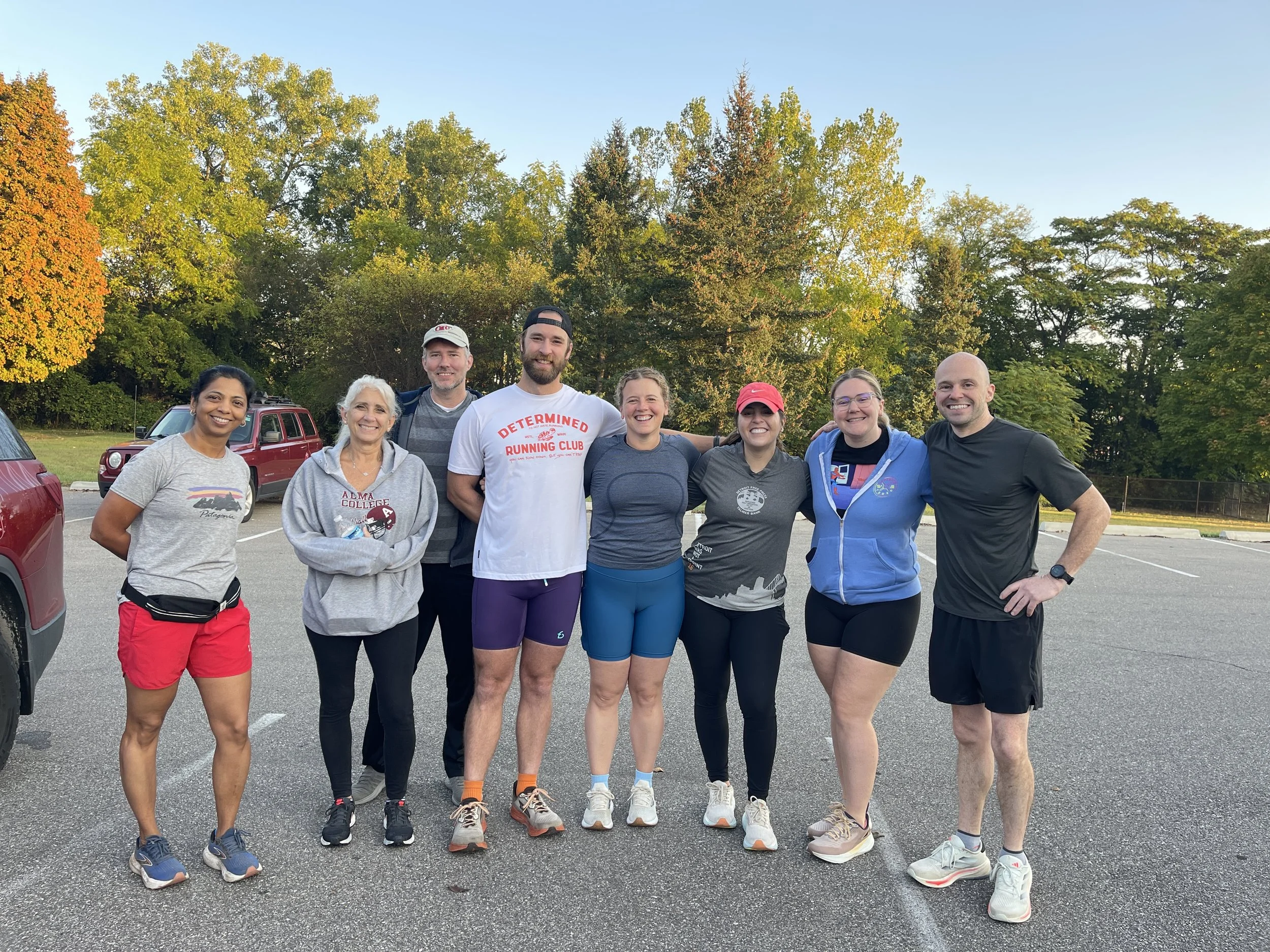
The design of Super Run Club specifically leverages visual communication to dismantle the intimidating "elite" barriers often associated with organized fitness. By utilizing a friendly, welcoming, and vibrant graphic language, the branding signals that this is a free, accessible community space rather than a high-performance or exclusionary club. These graphics are intentionally rooted in the local environment, incorporating motifs and color palettes that harken to the Clinton River Trail, creating a sense of "visual home" for Pontiac residents. This place-based aesthetic does more than just attract members; it validates the local landscape as a high-prestige destination for wellness. By pairing professional-grade design with a grassroots, open-door policy, the project proves that thoughtful branding can be a powerful tool for health equity—lowering the barrier to entry for an underserved population by making movement feel both culturally resonant and socially inviting. A central goal of the club’s visual narrative is to challenge the external perception of Pontiac as "low class" or "unsafe." By presenting a vibrant, professional, and active image of the city I experience, the design shifts the outsider gaze, replacing tired stigmas with a visible reality of community health, joy, and civic pride.
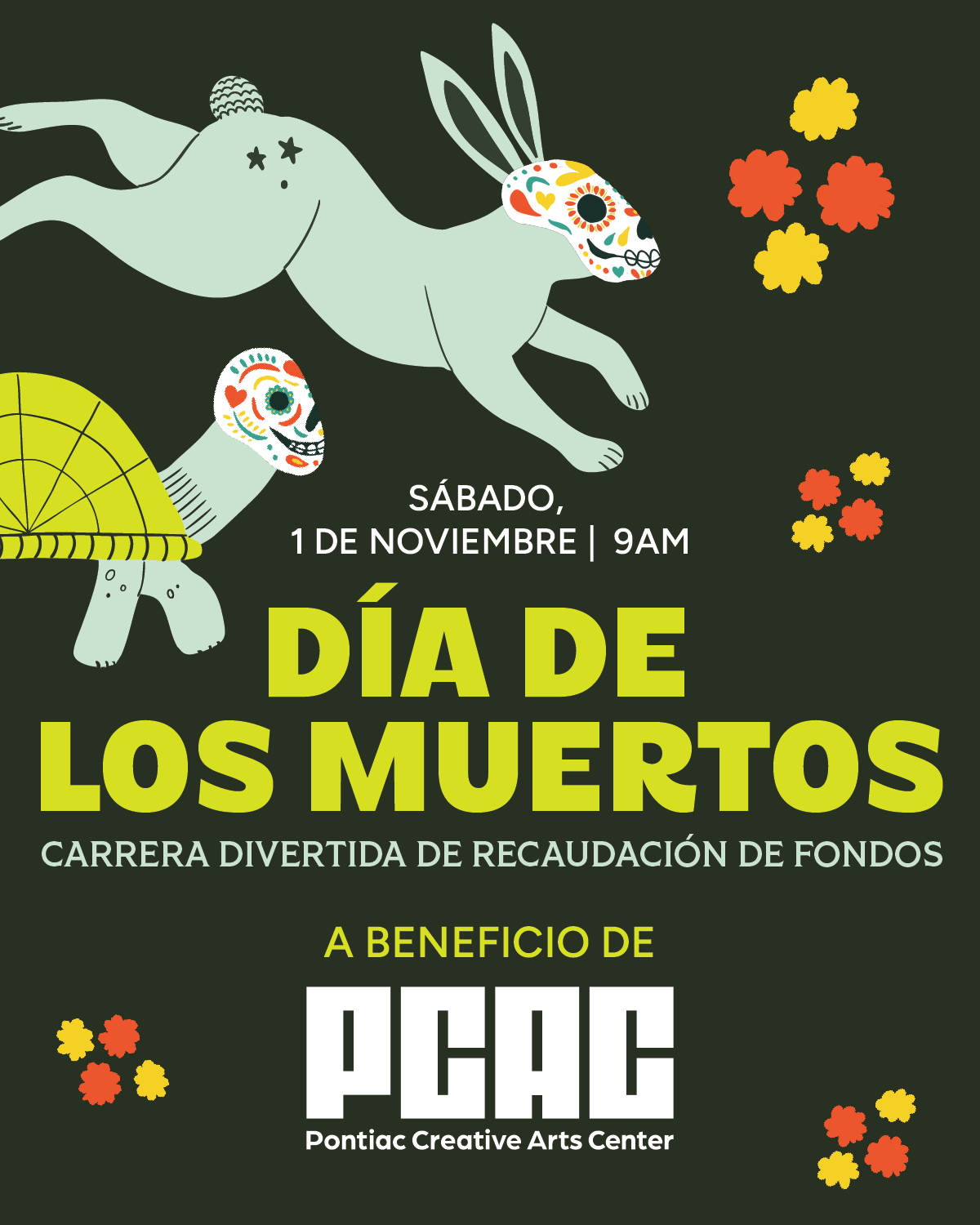
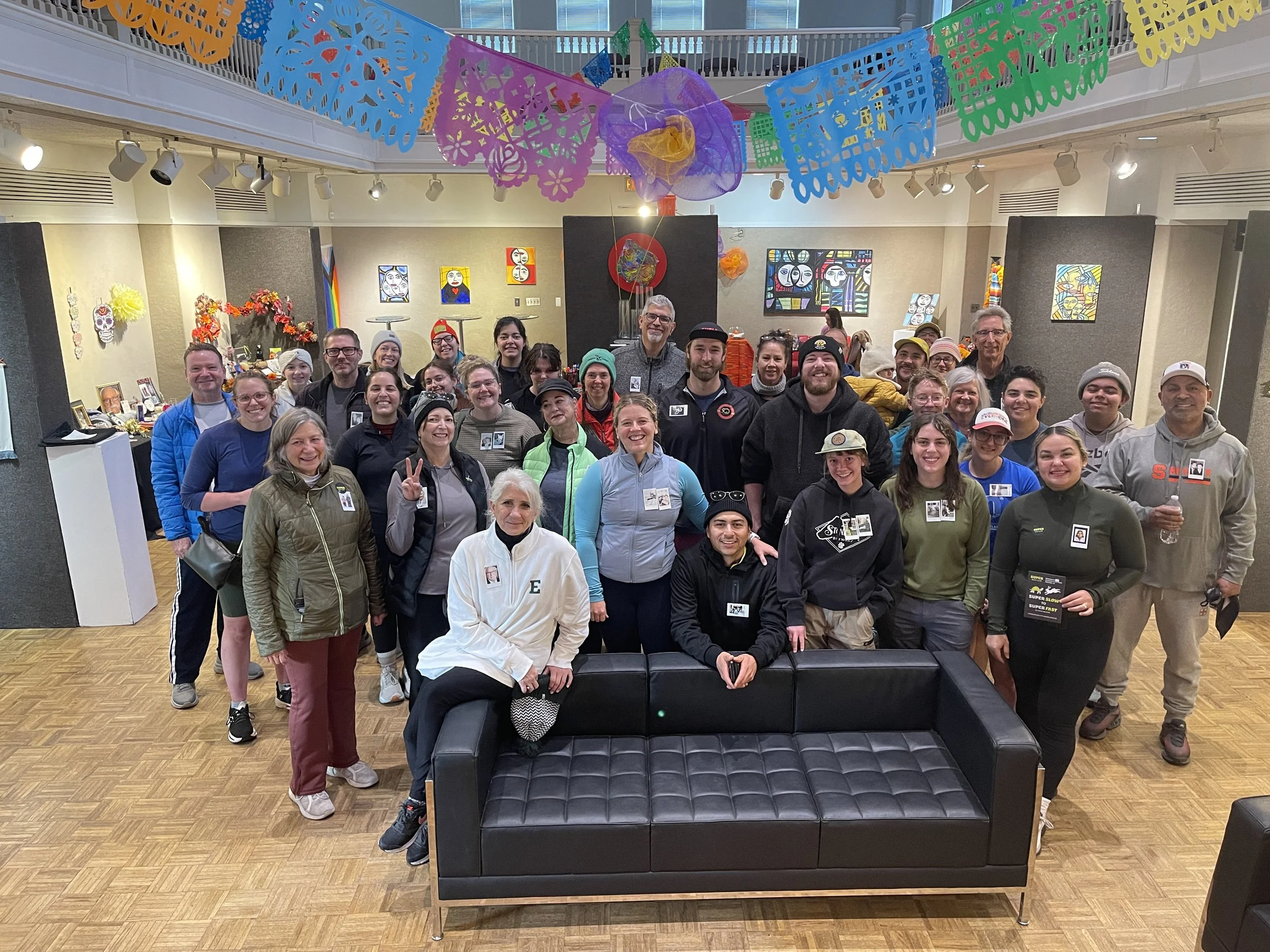
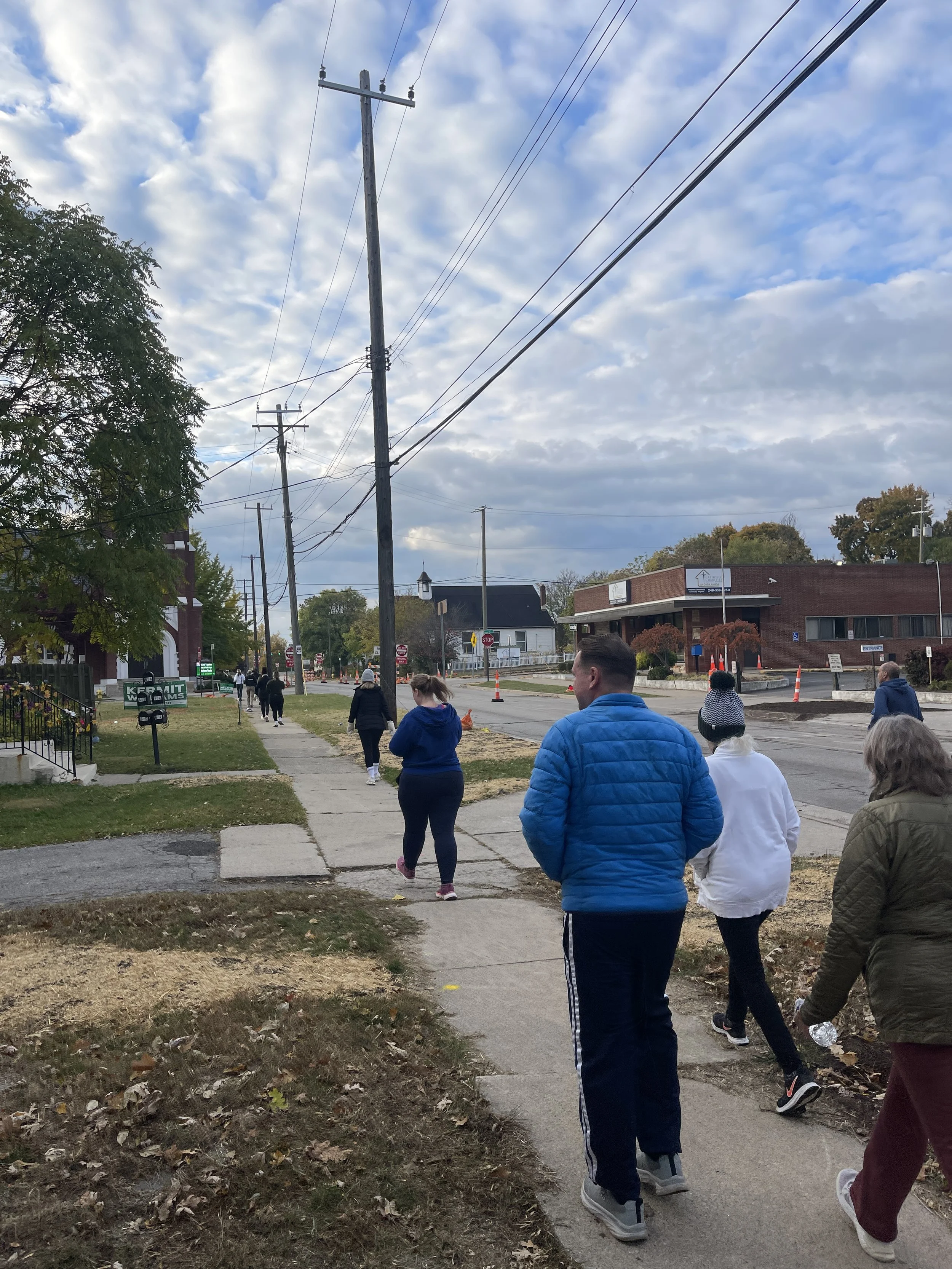
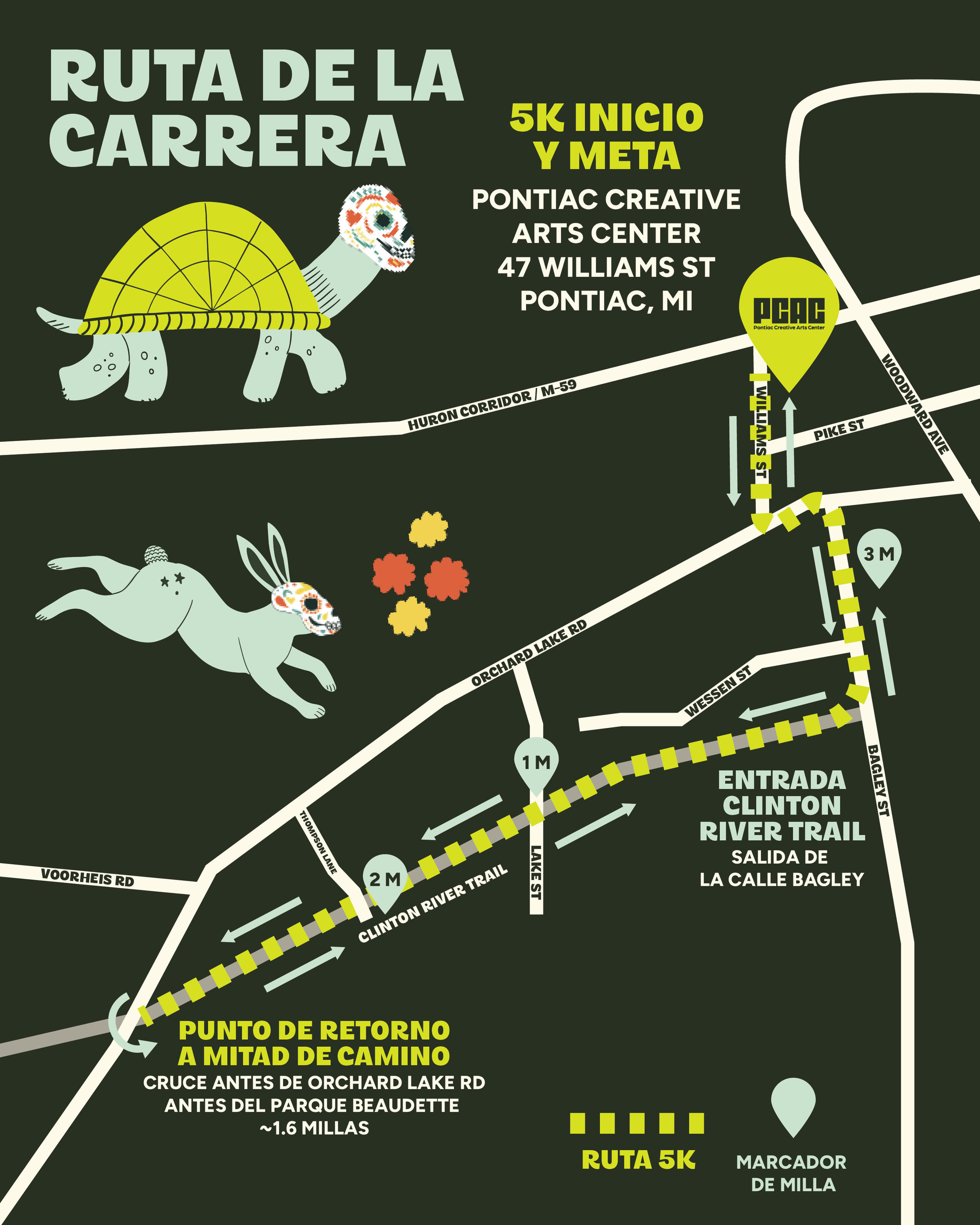
The club also focuses as a strategic and economic engine for small entities. For example, through initiatives like the "Day of the Dead" 5K Fun Run, the project has raised critical funds for the Pontiac Creative Arts Center, proving that place-based creative leadership can directly strengthen local civic and cultural institutions.
To serve Pontiac's diverse population (which is over 24% Hispanic), I design inclusive materials that cater to the local community's specific needs, such as the Dia de los Muertos event which featured bilingual design materials to ensure inclusivity and engagement.
By providing a "dignified visual identity" to a grassroots initiative, the project demonstrates how design can restore agency to both the designer and the community, building a more resilient, healthy, and connected society.
Super Run Club was founded in September 2025, and I’m eager to continue to grow attendees, increase and measure impact, and seek out dissemination sites for my findings in 2026 and beyond.
Data Sources:
U.S. Census Bureau QuickFacts (2024-2025): Pontiac City vs. Oakland County.
Census Reporter: Profile data for Pontiac, MI and Oakland County, MI.
World Population Review (2026): Pontiac, Michigan Population and Economics.
MDHHS Primary Care Needs Assessment: Oakland County Profile (2020/2024)
McLaren Oakland Community Health Needs Assessment (2022-2025)